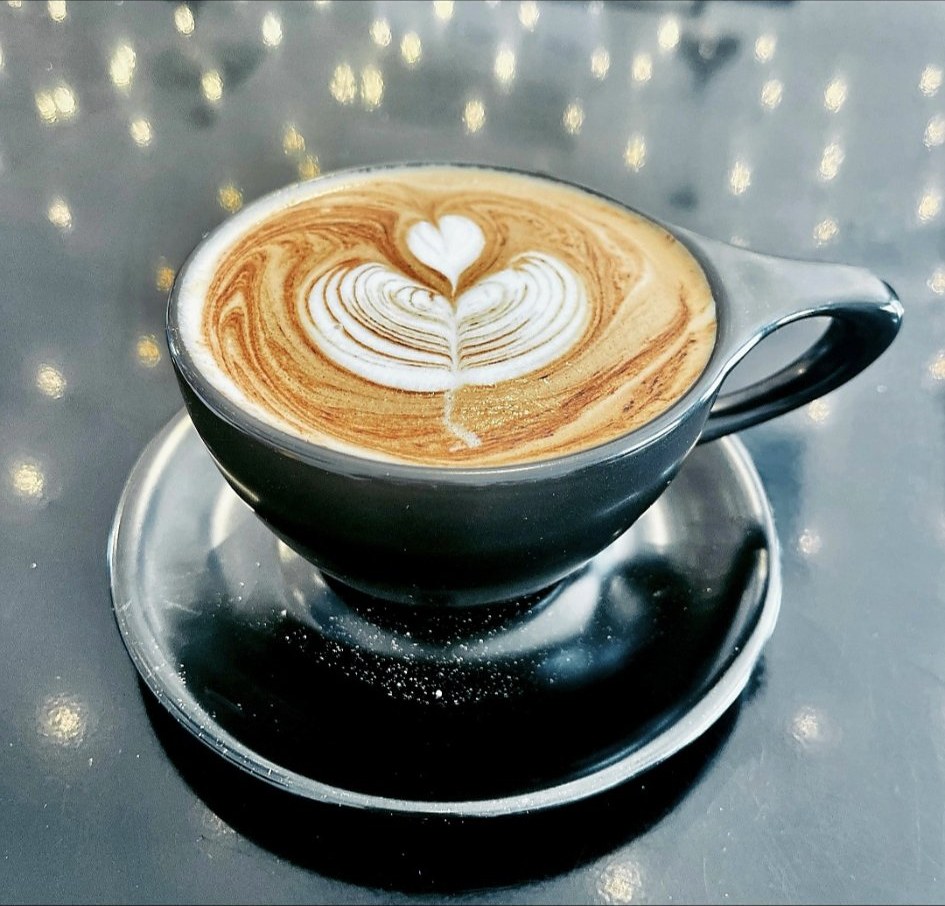
The goal of training is boring in the best way: this standard, from every barista, on every shift.
How to use this checklist
Work the phases in order — each one builds on the last. A trainee doesn't move on because a shift ended; they move on when a trainer watches them do the skill correctly and checks the box. Most baristas reach supervised competence in about two weeks and can run a bar solo in three to four. Shops without a written system take months to get the same result, and re-teach it with every hire.
Phase 1 — Station standards & safety
Days 1–2 · Before touching a shot
- Full bar tour: machine, grinder, water, refrigeration — what everything is and what it's called
- Opening and closing checklists performed to standard, timed
- Cleaning standards: backflushing, group screens, steam wand discipline, grinder wipe-down
- Chemicals: what's used where, dilution, storage, and what never mixes
- Food safety and hygiene: handwashing, milk storage temps, date labeling, allergen awareness
- Restocking and station reset: the bar looks identical at every handoff
Phase 2 — Espresso fundamentals
Days 2–5 · The core skill
- Dosing by weight with a scale — every shot, no eyeballing
- Distribution and level tamping; recognizing and fixing channeling
- The house recipe: dose, yield, time window — and what each number means
- Pulling shots to spec three times in a row
- Taste recognition: identifying under-extracted (sour/thin) and over-extracted (bitter/dry) shots
- Assisting the morning dial-in and reading the dial-in log
Phase 3 — Milk
Days 4–8 · Texture before art
- Steaming to glossy microfoam — "wet paint" texture, no visible bubbles
- Temperature control: sweet spot 130–150 °F; never scalded
- Right milk volume per drink size — minimal waste, pitchers rinsed every time
- Splitting and sharing milk across two drinks correctly
- Alternative milks: how oat, almond, and soy behave differently under steam
- Latte art progression: monk's head → heart → tulip → rosetta (art last, texture first)
Phase 4 — Drink builds & the menu
Week 2 · From recipe cards, not memory
- Every core drink built from the recipe card: shots, milk ratio, syrup pumps, cup size
- The shop's top five sellers made to standard, tasted by a trainer
- Modifications without chaos: temperature, sweetness, milk swaps, decaf and half-caf
- Cold drinks: iced builds, cold brew service, shaking and dilution basics
- When a drink is wrong: remake it without being asked, every time
Phase 5 — Workflow & speed
Weeks 2–3 · Where quality meets the rush
- Sequencing: start milk while shots pull; never watch an extraction stand still
- Working a two- and three-drink queue in the right order
- Calling drinks and communicating with register and support clearly
- Batching, staging cups, and keeping the pass clean under pressure
- A four-drink rush completed to standard — quality doesn't drop when volume rises
Phase 6 — Quality ownership
Weeks 3–4 · What separates a barista from a lead
- Running the morning dial-in solo and completing the log
- Mid-shift quality checks: tasting shots and correcting drift
- Deep-cleaning rotation: grinder burrs area, drains, machine detailing
- Spotting problems early: grinder acting up, milk off, water taste change
- Showing a newer barista one skill correctly — the first step to trainer
The sign-off standard: a barista is "trained" when they can pull three consecutive shots within recipe spec, steam milk to texture and temperature three times running, build the top-five drinks from the cards unaided, and hold that standard through a four-drink rush — and when they remake their own bad drink without being told. Anything less is "still training," and that's fine, as long as everyone knows it.
Three training mistakes almost every shop makes
Training only on slow days. A barista who has never worked a rush hasn't been trained — they've been rehearsed. Phase 5 has to happen under real pressure, with a trainer beside them.
Standards that live in someone's head. If the recipe isn't on a card, every trainer teaches a slightly different drink and consistency dies quietly. Write it down once; train from the card forever.
No assessment, just exposure. "She's done ten shifts" says nothing. Checkboxes and taste tests say everything. The sign-off is what turns training from a vibe into a system your next hire inherits.
Frequently asked questions
How long does it take to train a barista?
With a structured plan, about two weeks to supervised competence and three to four weeks to running the bar solo. Without one, months — and the variable is the system, not the person's talent.
What should a new barista learn first?
Station standards and safety before drinks. A barista who keeps a clean, stocked, organized station learns drinks faster and makes visible, correctable mistakes.
How do you know when a barista is fully trained?
When they pass the practical sign-offs above — not when they've been shown everything. Repetition to spec, under pressure, with self-correction: that's trained.
Want this system installed for you?
Barista Foundations — The Dialed In Course teaches these phases module by module, with a knowledge check and printable worksheets including this checklist. Or book a Training Day and we'll train your team on your bar and leave the full checklist system behind.
Get the $29 course See on-site training